


When we plan a trip, we usually start with the familiar names that show up in every travel guide. We book the same hotels, visit the same landmarks, and take photos from the same angles. But the world hides places that look like they belong to another planet. Some were shaped by nature over millions of years, and others were built by people in ways that still amaze us. In this article, we take you through some of the strangest places in the world, so you can see what makes each one special, which ones you can actually visit, and which ones remain for knowledge and photographs only.
Socotra Island: A Paradise of Biodiversity
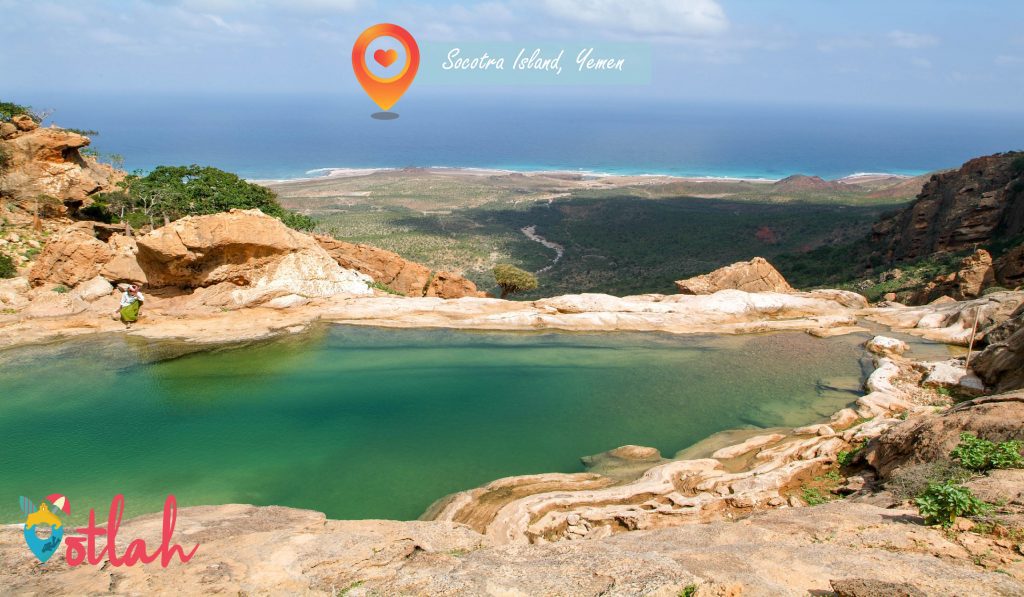
The Socotra archipelago is located in the Indian Ocean, near the Gulf of Aden, and belongs to Yemen. The island was cut off from the mainland for a very long time, so plants and animals developed there that exist nowhere else on Earth. That is why it counts among the richest places for biodiversity, and it is listed as a UNESCO World Heritage Site. The first thing a visitor notices is the dragon's blood tree, which looks like an upside-down umbrella and produces a red resin people have known about since ancient times. Walk among these trees, and you feel as if you have stepped into a fantasy book, because the land, the plants, and even the sky look different from what you are used to. The island is also a clear example of why protecting nature matters, since every species there is part of a delicate balance.
Stone Forest in China
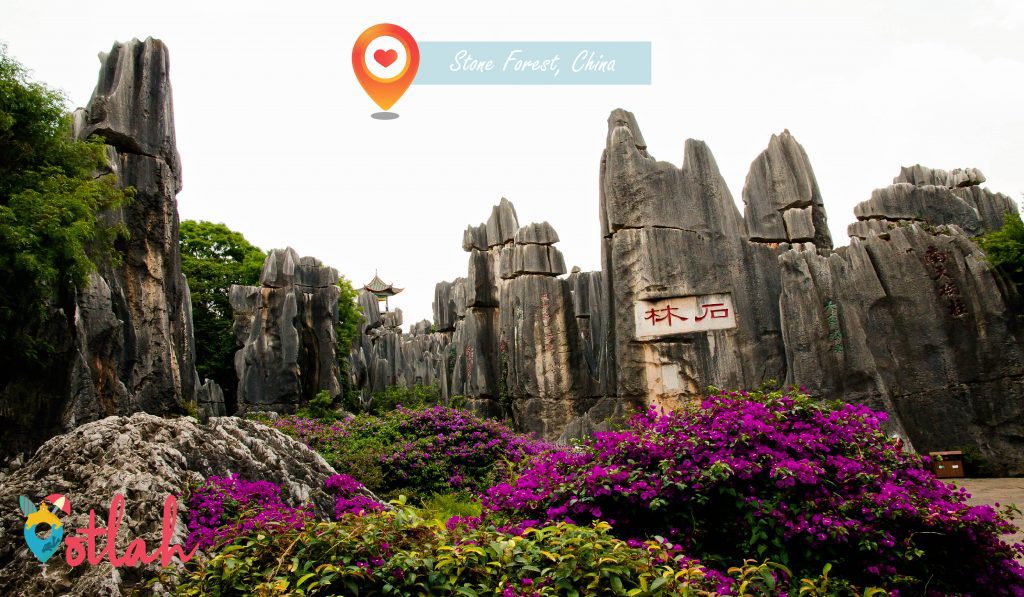
In Yunnan province in southwest China, near the city of Kunming, huge pillars of limestone rise up like a forest turned to rock. Water carved these formations over geological ages, and today they are among the best-known geological wonders in the country. The Chinese call the place Shilin. It spreads across a wide area divided into several sections, and it forms part of the South China Karst, a UNESCO World Heritage Site. You walk among the rocks on paths and platforms made for visitors, and the scene changes at every turn. In one spot you see pillars standing together like walls, and in another, single towers rising above the trees. Because the area is so beautiful, it is better to give it enough time instead of rushing through.
Cave of the Crystals in Mexico
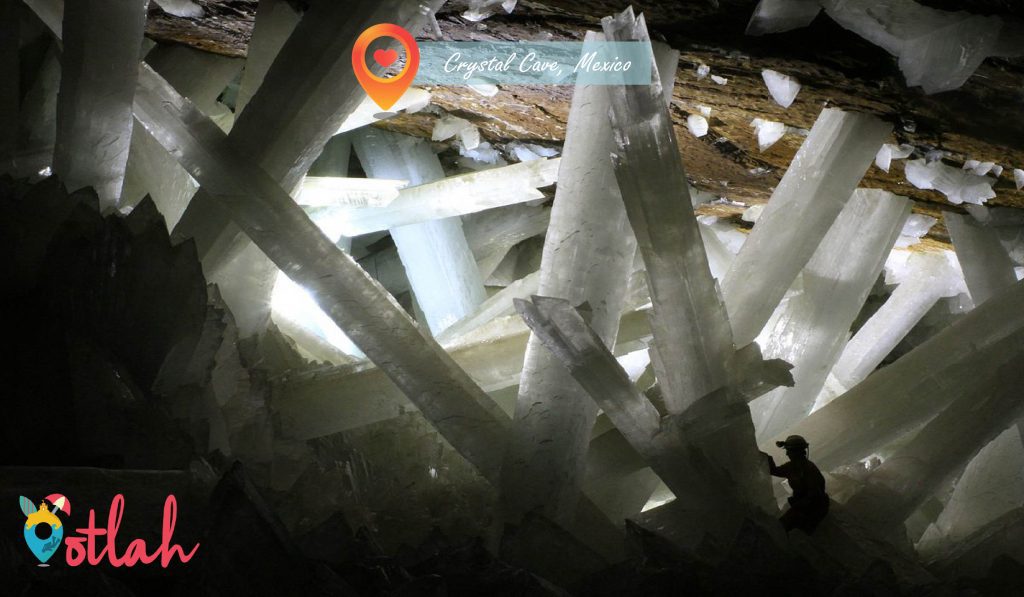
Inside the Naica mine in the state of Chihuahua, there is a cave filled with giant, clear gypsum crystals. They are counted among the largest natural crystals known in the world. The cave was found during mining work, and its crystals grew very slowly in mineral-rich water over extremely long periods of time. Conditions inside are harsh. The heat is intense, the humidity is almost total, and a person cannot stay there for long without special protective equipment. The cave is not open to tourists, so it remains a place we know through photographs and scientific research. Perhaps that is part of its charm, since it is a place you imagine more than you visit.
Machu Picchu in Peru
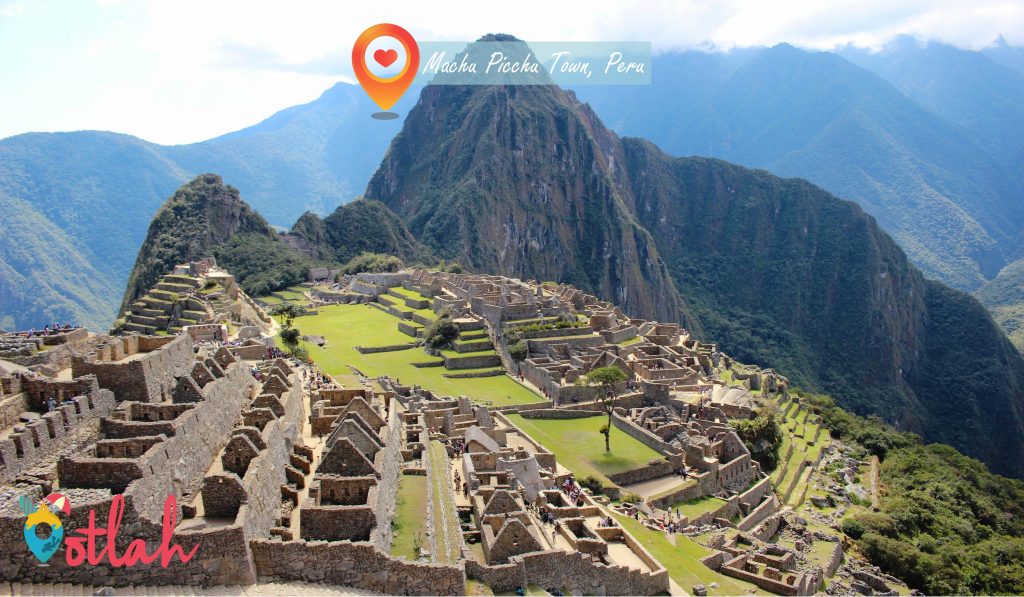
The Inca civilization built this city on a mountaintop in the Andes, at a great height above sea level, overlooking a deep valley surrounded by mountains and mist. What stands out most is its massive stones, fitted together with great precision without any mortar. Farming terraces, water channels, and stone stairways connect its different levels. The city also has temples and buildings believed to have had a religious purpose, which makes it a favorite for people who love history, photography and hiking. A visit requires a ticket with a set entry time, so it is best to book early through the official website and bring clothes suited to the changing mountain weather.
Dargavs: Russian Death City
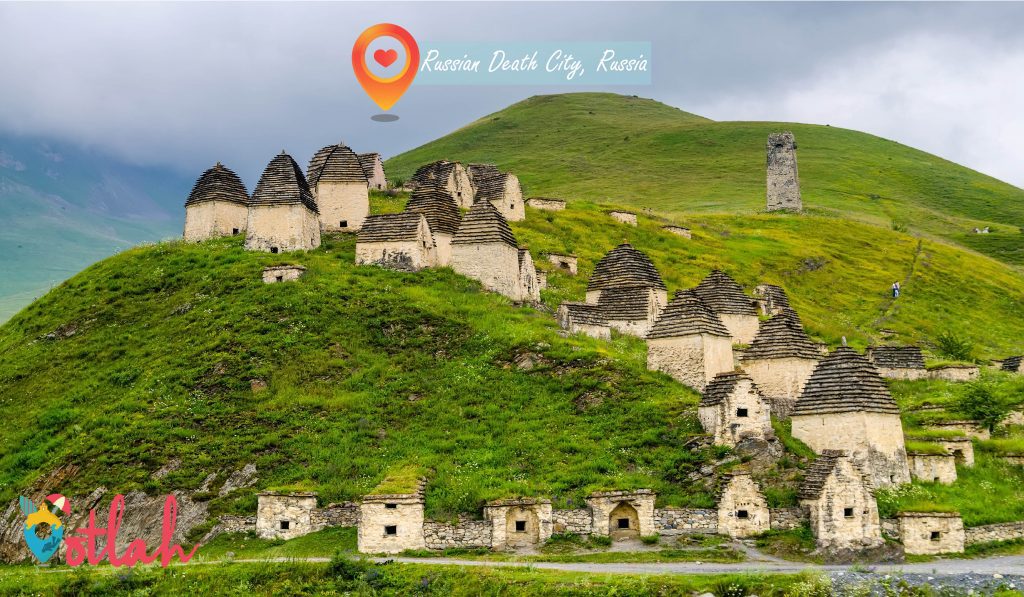
In the Republic of North Ossetia–Alania, in the North Caucasus region of Russia, small stone buildings with pyramid-shaped roofs are scattered across the hillside. They are, in fact, old family tombs. The village got the name City of the Dead because of this view, which looks unlike any other village, and many folk tales circulate about it. More importantly, though, it stands as a witness to old burial customs tied to that region. High mountains and green slopes surround it, so the place joins natural beauty with the mystery of history. Before thinking about a visit, it is wise to check the travel situation in the area and the entry requirements through official sources.
The Blood Pond in Japan
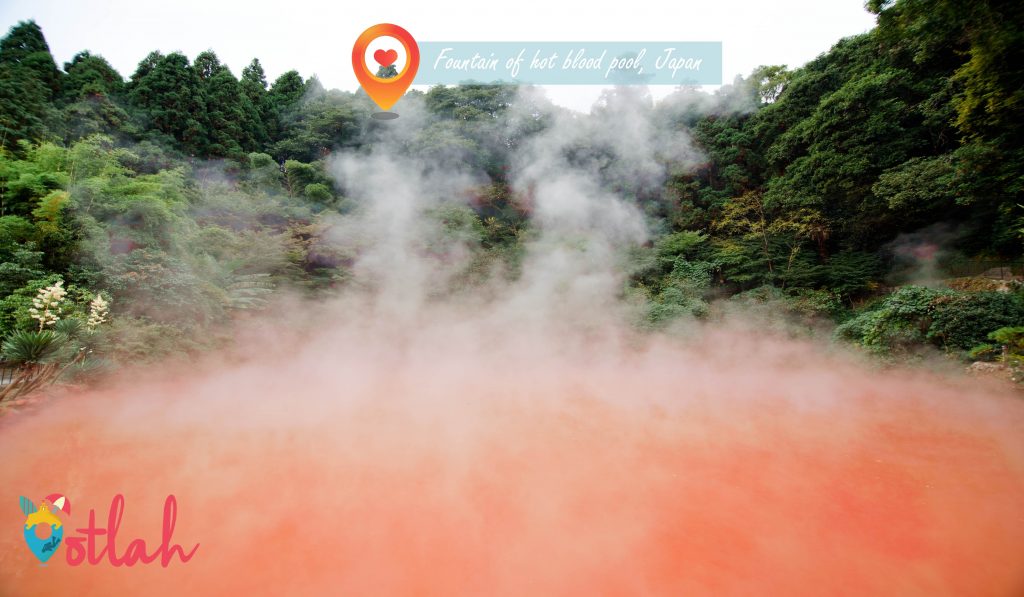
In the city of Beppu on the island of Kyushu, there is a thick red pond known as Chinoike Jigoku, which means Blood Pond. Beppu is famous for its hot springs, but this pond is different from the rest because it is for viewing only. Its color comes from clay rich in iron oxide, and heavy steam rises from it and gives the place a strange feel. The water is extremely hot and not suitable for bathing, but you can see it from an area set aside for visitors. It is one of the stops on the well-known Beppu Hells tour, a group of hot springs that each carry their own color and character. It suits people who enjoy unusual natural scenery and photography from a safe distance.
Danxia Mountains in China
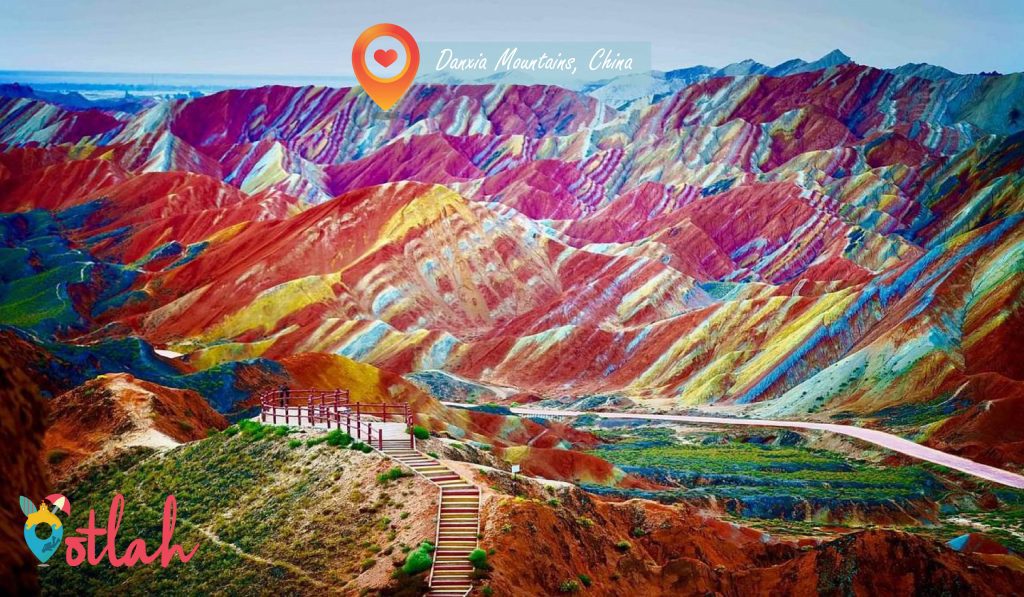
Danxia landforms appear in multiple regions of China, with yellow and orange rock that look as if an artist painted them with a brush. The best-known views of them are in Gansu province, while the name itself comes from Mount Danxia in Guangdong province. It is a distinctive type of colored rock landscape, formed from red sandstone and other sedimentary layers, and erosion keeps carving it even today. The colors look strongest in the early morning light and at sunset, which is why photographers like to visit at those times.
Some of these places are easy to visit, like Machu Picchu and the Stone Forest. Others need special planning, and some are closed to tourists altogether. Before you book your trip, check the condition of the destination and the entry rules through an official source, because the situation in these places changes from time to time. Choosing a different destination might give you a story to tell for years, instead of photos that look like everyone else's. And wherever your next trip takes you, strange places remind us that our planet still hides a great deal worth discovering.